The 20-Year Second Act Is Not a Slow Decline. It’s a Second Renaissance.
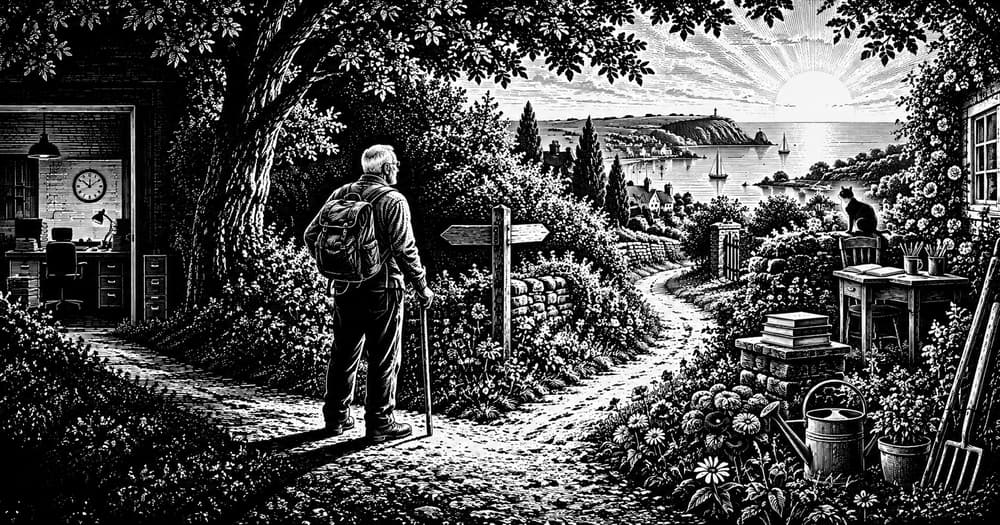
Retirement gives you time. The harder question is what kind of person you intend to become with it.
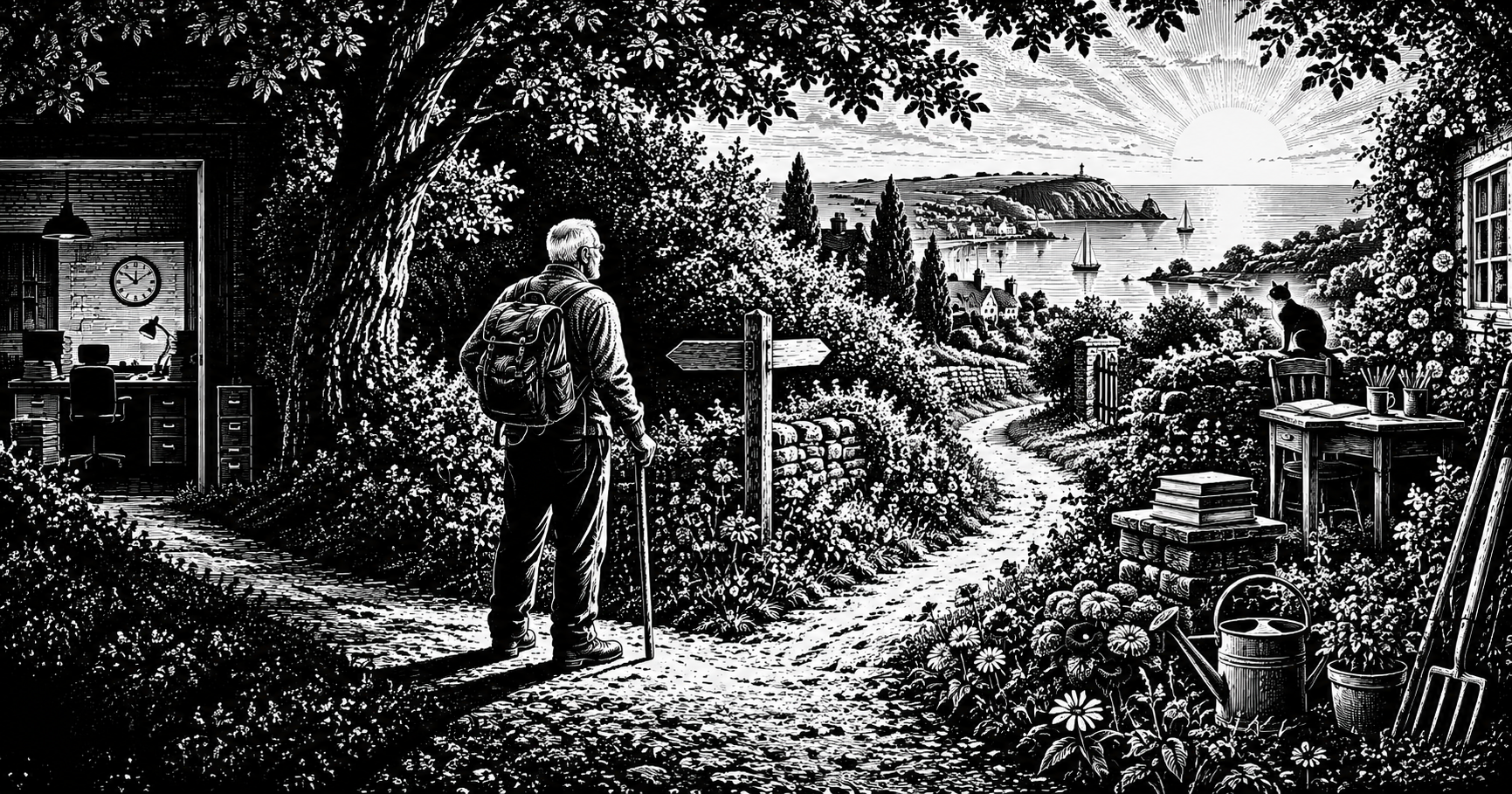
At 68, I have reached the age where statistics begin loitering in the background. Not dramatically. Not with a cloak and a scythe. More like a man from the council waiting politely by the gate with a clipboard.
Depending on which table you look at, and how generous it feels about diet, luck, family history, and whether I continue to cross roads with appropriate suspicion, I may have another fifteen, twenty, perhaps even twenty-five years ahead of me. That is a strange thought. Not because it is morbid. Because it is practical.
Twenty years sounds enormous until you turn round and look at the last twenty. Twenty years ago I had already met my current wife. I had already lived several versions of myself. I was navigating on the Disney Magic, which now feels both vividly close and impossibly far away, as if another man did it using my name and knees. I can remember the routines of that life, the particular shape of the days, the strange little details that stick while apparently important things quietly dissolve. That was twenty years ago. It does not feel like history. It feels like last Tuesday wearing different shoes.
That is the first serious fact of later life: the future is still long enough to matter, but short enough to stop pretending.
Most of us spend decades preparing for retirement in the narrowest possible sense. We think about pensions, if we think about them at all. We wonder whether the mortgage will be gone. We hope the state pension will still be standing when we arrive, perhaps slightly battered but recognisable. We imagine not setting an alarm, not answering to anyone, not commuting, not attending another meeting where someone says “circle back” with a straight face.
We picture freedom. And freedom is real. I do not want to be ungrateful about it. There is genuine pleasure in owning a weekday, in making tea at ten without apology, in walking past people going to work with the small guilty thrill of a schoolboy who has forged a note from matron.
But freedom is not the whole story. Freedom gives you space. Then space asks what it is for.
That is the question most retirement advice handles badly. It talks about money, travel, hobbies, health, volunteering, downsizing, cruises, blood pressure, and occasionally yoga, though rarely in terms that make a sceptical man feel safer. Some of that advice is useful. Some of it is harmless. Some of it appears to have been written by a brochure with access to stock photography. But very little of it asks the dangerous question.
What are you going to become?
Not what are you going to stop doing. Not how are you going to fill the time. Not whether you have enough to last. What are you going to become?
Because retirement is not a full stop. It is not even a gentle fade-out unless you allow it to become one. It is a stage of life with its own demands, freedoms, dangers, pleasures, and absurdities. You may have ten years. You may have twenty. You may have thirty, if your body, luck, and the universe are all briefly on speaking terms. That is not an afterthought. That is a life.
The pension pot is not the whole plan
Because the question is not just whether you can afford to stop.
It is whether the life waiting on the other side is actually yours.
With full subscribers, I want to get practical: the quiet mistakes people make when they treat retirement as a financial finish line, the bits no pension forecast can measure, and how to start building a later life that has shape, appetite, usefulness and room to breathe.
Not someday. Not when every number is perfect.
Now……..